


Vacuum Gas Oil (VGO) is a heavy hydrocarbon fraction produced during the vacuum distillation of crude oil. After lighter products such as gasoline, kerosene, and diesel have been distilled at atmospheric pressure, the remaining heavier residues are processed under reduced pressure (vacuum conditions). This allows the extraction of additional valuable components at lower temperatures, preventing thermal cracking and preserving product integrity.
VGO is a critical feedstock in modern refining operations. Its primary use is in fluid catalytic cracking (FCC) and hydrocracking units, where it is converted into high-value fuels and petrochemical components, including:
-
Gasoline and reformulated blending components
-
Diesel and jet fuel fractions
-
Propylene and other petrochemical building blocks
Additionally, VGO serves as an important intermediate material for producing lubricants, specialty oils, and other refined products depending on refinery configuration.
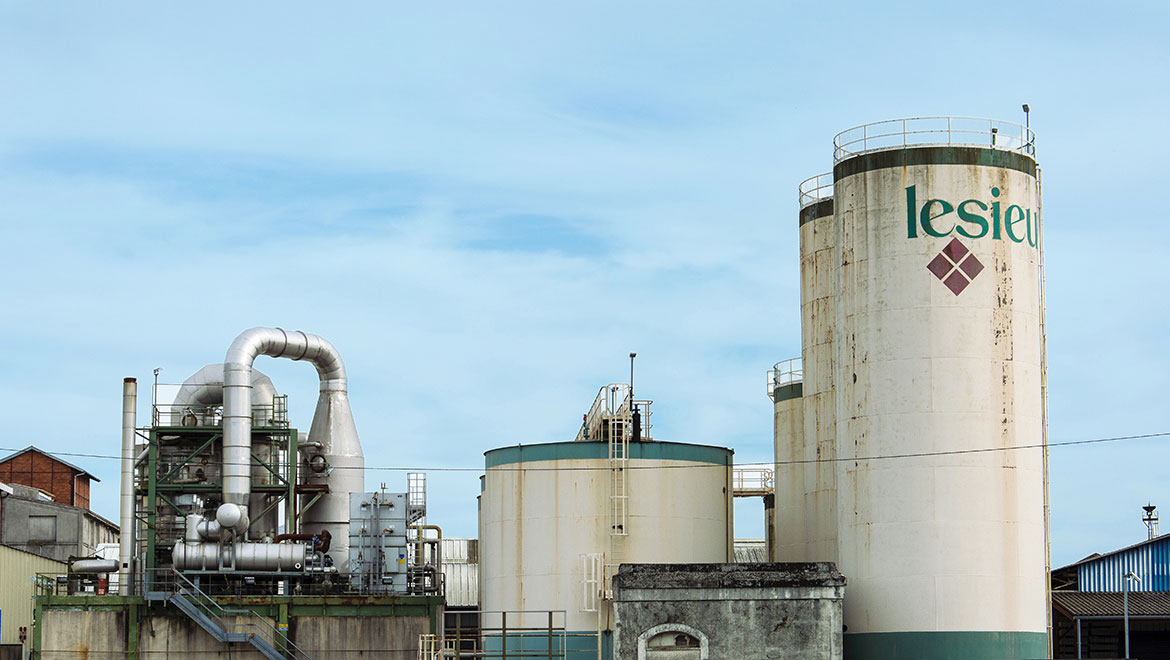
Overall, the image represents the technical environment surrounding vacuum gas oil, emphasizing its role as a major conversion feedstock essential for maximizing refinery output and supporting the production of cleaner, higher-performance fuels and petrochemical materials.