

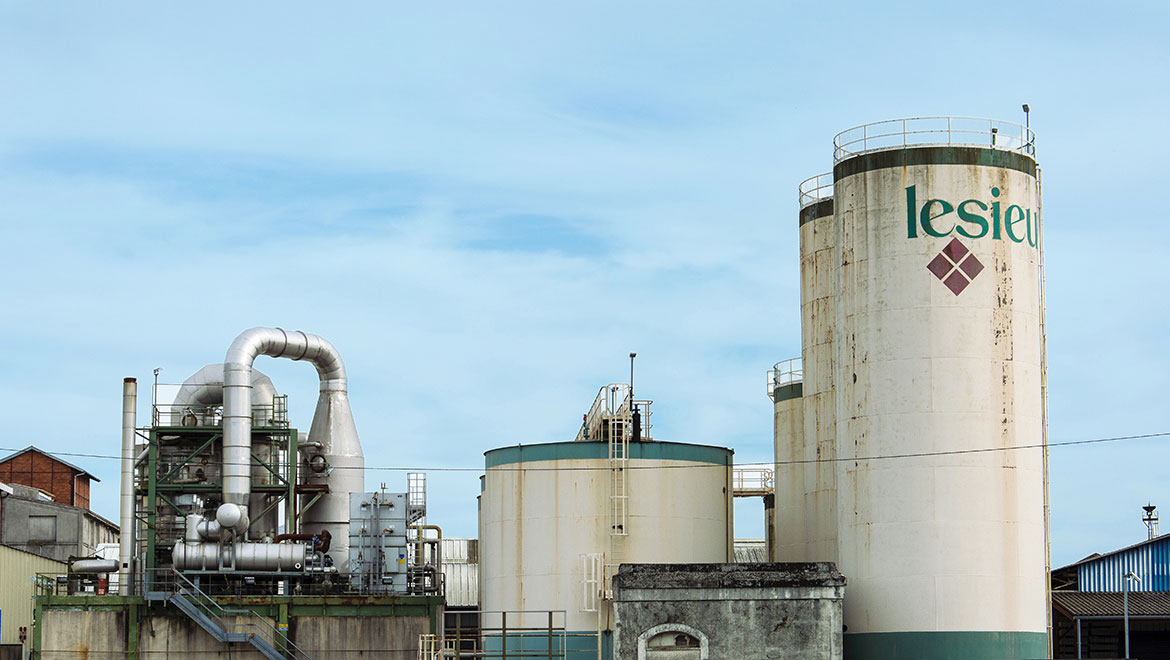

Stable Gas Gasoline, also known as naphtha, is a light liquid hydrocarbon mixture produced from natural gas condensate or crude oil refining. It is created through stabilization and distillation processes that remove highly volatile components, resulting in a product that is safe for storage, transport, and industrial use. Naphtha serves as a crucial intermediate feedstock in the energy and petrochemical industries due to its high volatility, clean-burning characteristics, and chemical versatility.
Naphtha is widely used in several applications:
-
As a primary feedstock in steam crackers to produce ethylene, propylene, and other essential petrochemical building blocks used in plastics, resins, and synthetic materials.
-
As a component in gasoline blending, enhancing the fuel’s volatility and combustion performance.
-
As a solvent in coatings, adhesives, cleaning agents, and industrial extraction processes.
-
As a fuel source for certain industrial heaters and burners.
Overall, the image highlights the laboratory setting associated with the production and quality control of Stable Gas Gasoline (Naphtha), emphasizing its importance as a versatile and foundational material in modern fuel production and petrochemical manufacturing.